
blog
What Should Come Inside Before the First Frost?
Oct
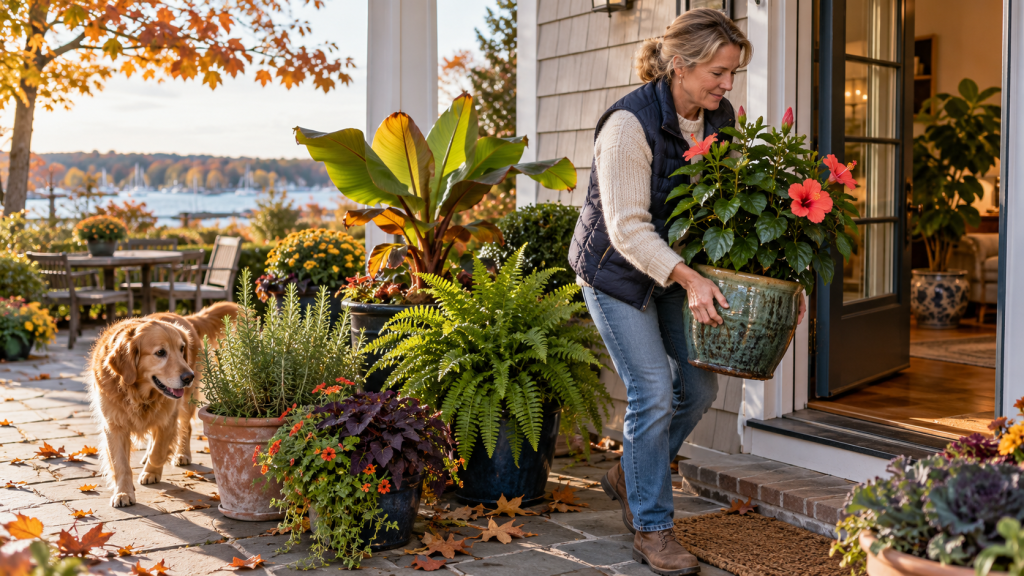
October in Annapolis is often mild enough to keep enjoying the garden, but colder nights are coming. That makes this a good time to look at tropical plants, herbs and tender container plants and decide which ones are worth saving before the first frost arrives.
Many plants that thrive outdoors all summer will not tolerate freezing temperatures. With a little preparation now, some can be brought indoors and enjoyed through winter or saved for another season.
Tropical Plants Worth Saving
Tropical plants are among the first plants to suffer when temperatures turn cold. Plants such as hibiscus, mandevilla, elephant ears, tropical ferns and other heat-loving patio plants should be watched closely as nighttime temperatures begin dropping.
You do not necessarily have to wait for frost. Some tropical plants can become stressed well before temperatures reach freezing.
Before bringing them indoors:
- Check leaves, stems and soil carefully for insects.
- Remove damaged or yellowing foliage.
- Rinse or clean plants if needed.
- Place them in the brightest indoor location you have available.
- Expect some leaf drop as plants adjust to lower light and indoor conditions.
A little transition period in a protected porch, garage or sheltered location can also help reduce the shock of moving directly from outdoors into the house.
What About Geraniums and Begonias?
Geraniums and many begonias can often be overwintered successfully.
Healthy container-grown geraniums can be brought indoors and kept near a bright window. Begonias may also continue growing indoors, depending on the variety and available light.
Before saving any plant, ask whether it is healthy, attractive and worth the indoor space. Sometimes replacing an inexpensive annual next spring is easier than trying to maintain it all winter.
Herbs You May Want to Bring Indoors
Some herbs can make the transition indoors better than others.
Rosemary is one of the most popular plants to save, although it appreciates bright light and careful watering indoors. Parsley, chives, thyme and mint may also continue growing under the right conditions.
Basil is much more sensitive to cold and usually declines quickly as temperatures fall. If you want to save basil, bring it indoors early or take cuttings before cold weather arrives.
Herbs growing in containers are usually easier to move than plants growing directly in the garden.
Don’t Forget Houseplants That Spent Summer Outside
Houseplants that enjoyed summer outdoors should be moved back inside well before frost.
Plants such as pothos, philodendrons, palms, crotons, ficus and other indoor foliage plants may suffer when nighttime temperatures become too cool.
The most important step is checking carefully for pests before bringing them back into the house. Look under leaves, around stems and near the soil surface.
Which Containers Need Protection?
Even plants that tolerate cold weather can be vulnerable when growing in containers.
Roots in pots are exposed to colder temperatures than roots growing in the ground. Ceramic, terra-cotta and other containers can also crack when water freezes inside them.
Move valuable containers to protected areas when appropriate, empty containers that will not be used during winter and make sure outdoor pots have good drainage.
Watch the Forecast, Not Just the Calendar
There is no single date when frost arrives every year in Annapolis.
October may stay mild for quite a while, or a sudden cold night can arrive unexpectedly. Start paying closer attention to nighttime temperatures as the month progresses, especially when forecasts begin approaching the upper 30s and low 40s.
Preparing plants ahead of time is much easier than trying to move everything indoors at the last minute.
Need Help Deciding What to Save?
Not every plant needs to come inside, and not every plant is worth overwintering.
If you are unsure about a tropical plant, herb or container, stop by Bru-Mar Gardens. We can help you decide which plants are worth saving, which plants can remain outdoors and what you can do now to help your garden transition into colder weather.
Frequently Asked Questions
When is the first frost usually expected in Annapolis?
The timing varies from year to year, but frost in the Annapolis area is generally more of a late-October into November concern than an early-October event. The best approach is to follow the local forecast as nighttime temperatures begin dropping.
Should I wait until frost is predicted before bringing tropical plants inside?
Usually not. Many tropical plants become stressed by cool temperatures well before an actual frost. Moving especially tender plants before nights become consistently cold is generally safer.
Should I spray plants before bringing them indoors?
Inspect plants carefully first. Wash leaves, remove dead material and check the soil and stems for insects. If you find a pest problem, ask Bru-Mar Gardens about the appropriate treatment before moving the plant indoors.
Can annuals be saved over winter?
Some can. Geraniums, begonias and certain other tender plants can sometimes be overwintered indoors. Others are usually easier to replace in spring.
Can herbs grow indoors all winter?
Some herbs can, especially when they receive strong light. Rosemary, thyme, chives, parsley and mint are among the better candidates, although indoor growing conditions can affect their performance.
What should I do with containers that stay outside?
Make sure they drain well, remove dead plant material and consider moving vulnerable pots to a protected location. Containers made from materials that absorb water may be more susceptible to cracking during freeze-and-thaw cycles.