
blog
Moving Plants Indoors Without Bringing the Bugs Along
Oct
Bringing favorite houseplants and tropicals indoors for the winter can extend their life for another season, but it can also bring in a few unwanted guests.
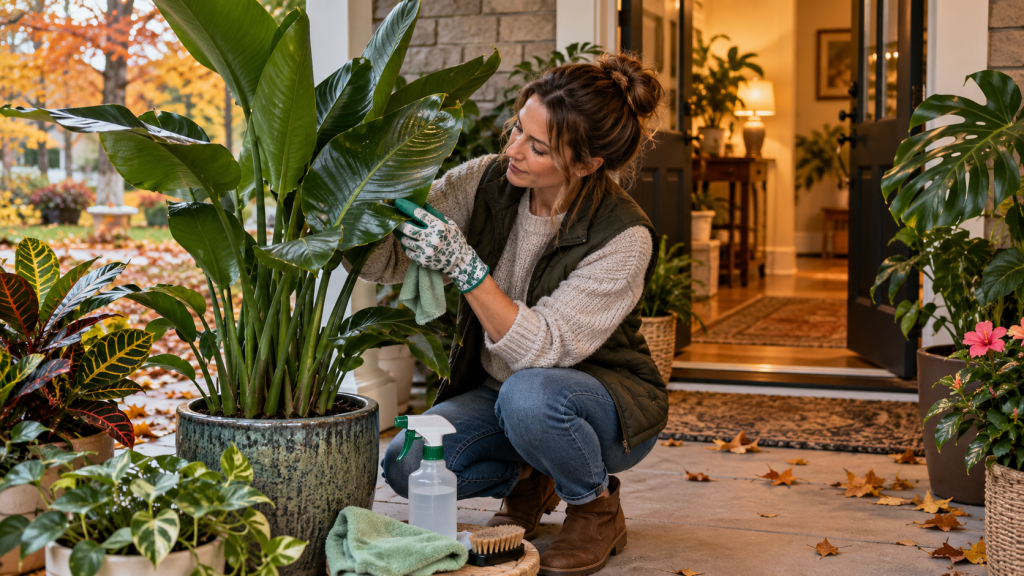
Before moving plants inside, take a little time to inspect, clean and prepare them. A simple routine can help reduce insects, prevent problems from spreading to other houseplants, and make the transition indoors easier on the plants themselves.
Start With a Careful Inspection
Before carrying a plant indoors, look closely at the leaves, stems and soil surface.
Pay particular attention to the undersides of leaves and the points where leaves meet stems. These are common hiding places for aphids, whiteflies, spider mites, scale and other small pests.
Look for:
- Sticky residue on leaves
- Fine webbing
- Small bumps along stems
- Yellowing or speckled foliage
- Tiny flying insects
- Visible eggs or insect clusters
If a plant has a significant pest problem, it is usually easier to deal with it outdoors before bringing it into the house.
Give Plants a Good Cleaning
A strong but gentle spray of water can remove dust, loose insects and debris from foliage.
Rinse both the tops and undersides of leaves. Wipe down larger leaves if necessary, and remove any dead or damaged foliage.
It is also a good idea to wash the outside of containers and saucers. Insects, spiders and eggs can hide around drainage holes, rims and the bottoms of pots.
Check the Soil and Containers
Inspect the soil surface for insects, weeds, fallen leaves or decaying plant material.
You may also want to gently loosen and inspect the top layer of soil. Avoid automatically repotting every plant, however. Moving indoors is already an adjustment, and unnecessary root disturbance can add stress.
If a plant clearly needs fresh soil or a larger container, repotting may make sense. Otherwise, a simple cleanup is often enough.
Give Plants a Short Transition Period
If possible, do not move plants directly from bright outdoor conditions into a dark indoor corner.
Gradually moving them into more protected or shaded conditions for several days can help them adjust to lower indoor light levels.
Once indoors, place them in the brightest appropriate location available.
Also expect watering needs to change. Most plants use less water indoors during fall and winter, so allow the soil to dry appropriately between waterings rather than following the same summer schedule.
Keep New Arrivals Separate
For the first week or two, consider keeping newly moved plants away from your established indoor houseplants.
This gives you time to watch for pests that may have been missed during the initial inspection.
A few minutes of prevention outdoors can save considerable frustration indoors.
Frequently Asked Questions
Should I spray every plant before bringing it indoors?
Not necessarily. Start with inspection and cleaning. If you find a pest problem, choose a treatment appropriate for the plant and the insect involved, and always follow product label directions.
Should I repot plants before bringing them inside?
Only when needed. Repot if the plant is root-bound, the soil is in poor condition, or the container has a problem. Otherwise, cleaning the plant and pot may be sufficient.
Why do plants sometimes lose leaves after coming indoors?
The change in light, temperature and humidity can cause temporary stress. Some leaf drop is normal as plants adjust to indoor conditions.
Can tropical plants stay indoors all winter?
Many can, provided they receive suitable light, temperatures and watering. Growth may slow considerably during the shorter days of fall and winter.
Prepare Now for an Easier Winter Indoors
If you are planning to save tropicals, houseplants or favorite container plants this fall, do the inspection and cleanup before they come through the door.
And if you are unsure which plants are worth saving, how to care for them indoors, or what to do about a pest problem, stop by Bru-Mar Gardens. The team can help you make the transition from outdoor growing to indoor overwintering a little easier.