
blog
Keep the Pollinators Coming: Late-Summer Plants Bees and Butterflies Love
Jun
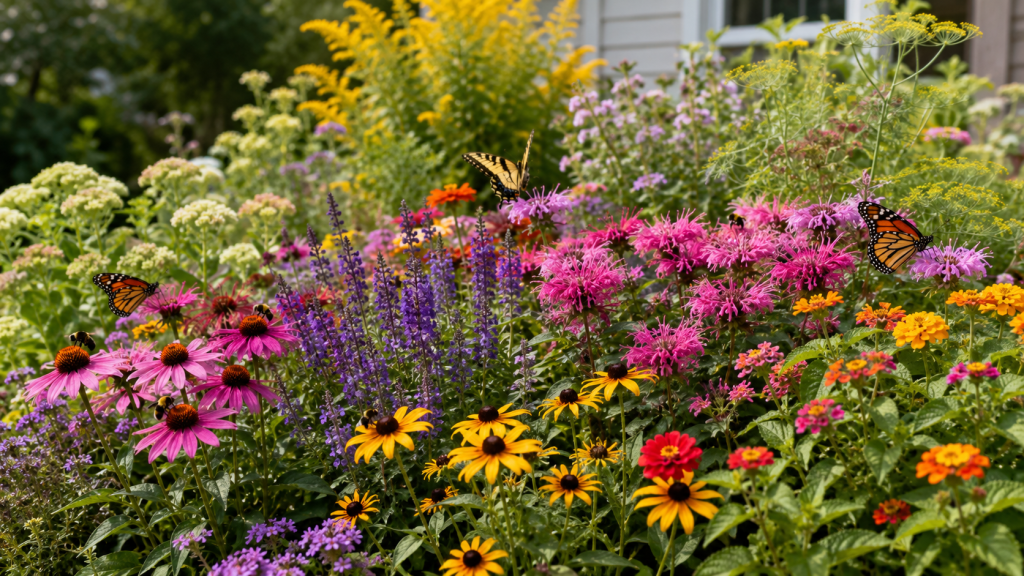
Late summer is an important time in the garden — not just for keeping color going, but for supporting the bees, butterflies, hummingbirds, and other pollinators that depend on steady sources of nectar and pollen. As spring and early-summer flowers fade, pollinators still need food as they continue feeding, nesting, migrating, and preparing for the season ahead.
At Bru-Mar Gardens, we believe a beautiful garden can also be a useful one. For 27 years, we’ve helped Annapolis-area gardeners choose plants that work in real landscapes, real weather, and real backyards. Whether you are planting a full pollinator border, refreshing tired containers, or adding a few late-season blooms near the patio, the right plants can keep your garden lively well into fall.
Late-blooming perennials are some of the best choices for extending the pollinator season. Coneflower, black-eyed Susan, bee balm, salvia, sedum, coreopsis, asters, and goldenrod all provide valuable nectar while adding strong color to the garden. Asters and goldenrod are especially useful because they bloom later in the season, when natural food sources can become harder for pollinators to find.
Native plants are another excellent choice for a pollinator-friendly landscape. Native bees, butterflies, and beneficial insects have evolved alongside native plants, so these selections often provide the right food and habitat at the right time of year. Consider adding mountain mint, Joe-Pye weed, milkweed, liatris, native asters, native grasses, and other regionally appropriate plants. Even a small patch of native plants can make a noticeable difference.
We still have a great selection of American Beauties Native Plants, making it easy to add pollinator-friendly choices that are well suited for local gardens and beneficial wildlife.
Herbs can also play a helpful role in the late-summer pollinator garden. Basil, oregano, thyme, mint, dill, fennel, and parsley are useful in the kitchen, but when allowed to flower, they become pollinator magnets. Dill, fennel, and parsley are especially valuable because they can also serve as host plants for swallowtail butterfly caterpillars.
Annuals are another easy way to keep nectar available while refreshing the look of your garden. Zinnias, lantana, verbena, salvia, cosmos, marigolds, pentas, and sunflowers all bring bright color while supporting bees and butterflies. They work well in garden beds, patio containers, window boxes, and porch pots. If your summer containers are fading, replacing a few tired plants with fresh pollinator-friendly annuals can quickly bring them back to life.
To make your garden even more welcoming, plant in groups rather than scattering single plants throughout the yard. Clusters of color are easier for pollinators to find and allow them to feed more efficiently. Choose a variety of flower shapes and bloom times, and avoid unnecessary pesticide use, especially when plants are in flower.
Last Chance: Free Perennial with a $75 Purchase
There’s still time to take advantage of our pollinator plant offer. Download the Bru-Mar Gardens app and use promo code pollinator26 to receive a free perennial with a $75 purchase.
Download the app here: https://apjl.app/brumar
Use this as your last chance to add more color to your garden, support pollinators, and keep bees and butterflies visiting into late summer and fall.
Late-Summer Pollinator Garden FAQs
What are the best late-summer plants for bees and butterflies?
Great choices include coneflower, black-eyed Susan, salvia, sedum, bee balm, asters, goldenrod, zinnias, lantana, verbena, pentas, and sunflowers. A mix of perennials, natives, herbs, and annuals will provide the most consistent nectar.
Why are native plants important for pollinators?
Native plants are especially valuable because many local pollinators have adapted to use them for food, shelter, and reproduction. They also tend to be well suited to local growing conditions once established.
Can herbs really help pollinators?
Yes. Herbs such as basil, oregano, thyme, dill, fennel, parsley, and mint can attract bees and butterflies when they are allowed to flower. Some herbs also support butterfly caterpillars.
Should I plant pollinator plants in containers or garden beds?
Both work. Containers are a good option for patios, porches, and smaller spaces, while garden beds allow you to create larger groupings. The key is to provide several blooming plants close together so pollinators can find them easily.
How can I keep pollinators coming into fall?
Choose plants with staggered bloom times and include late bloomers such as asters, goldenrod, sedum, and fall-blooming annuals. Refreshing tired summer containers with fresh annuals can also help keep nectar available.
Should I avoid pesticides in a pollinator garden?
Avoid unnecessary pesticide use, especially when plants are blooming. If treatment is needed, ask the Bru-Mar Gardens team for guidance on the safest and most targeted approach.
Late summer is not the end of the gardening season. With the right mix of perennials, natives, herbs, and annuals, your yard can continue to provide beauty for you and dependable food for pollinators well into fall. Stop by Bru-Mar Gardens and we can help you choose plants that keep the color going — and keep the bees and butterflies coming back.