
blog
Hydrangea Help: What to Do When Blooms Fade, Flop, or Fail
Jun
Hydrangeas are one of the most loved shrubs in the summer garden, and for good reason. Their big, showy blooms bring weeks of color, soften foundation plantings, and make shady or partly sunny spaces feel lush and full. But by mid to late summer, many gardeners start asking the same questions: Why are the blooms fading? Why are the stems flopping? And why didn’t my hydrangea bloom at all this year?
When Hydrangea Blooms Start to Fade
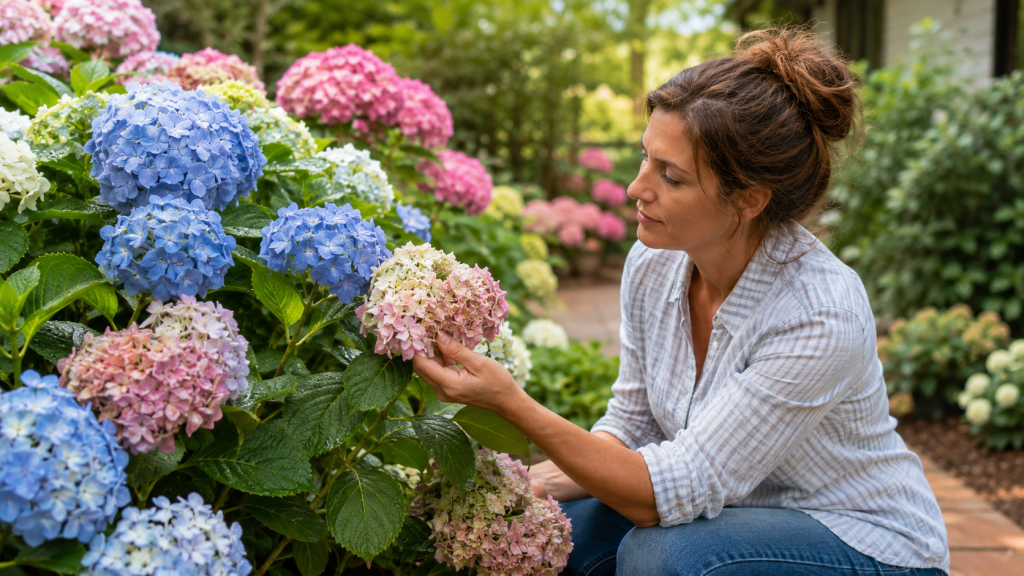
First, faded blooms are not always a problem. Hydrangea flowers naturally change color as they age. Bright blues, pinks, whites, and greens often soften into muted shades of lavender, rose, tan, or parchment. Many gardeners actually enjoy this late-season look, especially on panicle and mophead hydrangeas.
If the plant looks healthy overall, faded flowers are usually just part of the normal bloom cycle. You can leave them on the plant for seasonal interest, or you can deadhead spent blooms to tidy things up. When deadheading, remove only the flower head and cut back to the first healthy set of leaves. Avoid cutting deep into the shrub unless you are certain your hydrangea blooms on new wood.
Why Hydrangeas Flop
Large hydrangea blooms can become heavy, especially after rain. Flopping is common on varieties with big flower heads or stems that have grown quickly in rich soil or partial shade. A heavy summer storm can bend the stems and make the whole plant look tired overnight.
To help prevent flopping, water deeply at the base of the plant rather than frequently sprinkling the leaves and blooms. A two- to three-inch layer of mulch can help keep roots cool and evenly moist. In some cases, a simple plant support or discreet staking can help hold the stems upright.
Be careful with fertilizer. Too much nitrogen can encourage soft, leafy growth that is more likely to flop and less likely to support heavy flowers. Hydrangeas usually do best with steady care, consistent moisture, and soil that is enriched without being overfed.
When Hydrangeas Do Not Bloom
This is the big one. A hydrangea that looks green and healthy but produces few or no flowers can be frustrating. The most common causes are pruning at the wrong time, winter damage, too much shade, deer browsing, or late spring frost.
Many bigleaf hydrangeas, including classic mophead and lacecap types, bloom on old wood. That means their flower buds were formed the previous season. If those stems were cut back in fall, winter, or early spring, the flower buds may have been removed before they ever had a chance to open.
Cold winters and late freezes can also damage old-wood flower buds. The plant may still leaf out beautifully, but the buds that would have produced flowers may be gone. Deer can cause the same issue by nibbling tender stems and buds.
Other hydrangeas, including many panicle hydrangeas and smooth hydrangeas, bloom on new wood. These are generally more forgiving and can be pruned in late winter or early spring before new growth begins.
Pruning Caution: Know Before You Cut
When in doubt, do less. Hydrangeas are often pruned too hard or at the wrong time. A light cleanup is usually safer than a major cutback.
Remove dead, broken, or damaged stems as needed. After that, pause before shaping the plant. If you are unsure what type of hydrangea you have, bring a photo or a stem sample to Bru-Mar Gardens and we can help you identify it before you prune.
As a general rule, panicle hydrangeas with cone-shaped flowers can usually be pruned in late winter or early spring. Smooth hydrangeas, such as Annabelle types, can also be pruned before new growth begins. Bigleaf and oakleaf hydrangeas require more caution because they often bloom on old wood.
Watering Matters More Than You Think
Hydrangeas are thirsty plants, especially in hot weather, but they do not want to sit in soggy soil. Wilting in the afternoon does not always mean the plant is dying. Sometimes hydrangeas wilt temporarily during heat and recover in the evening.
The best approach is to check the soil before watering. If the top few inches are dry, water slowly and deeply at the root zone. Avoid quick, shallow watering, which encourages surface roots and does not help the plant through hot spells.
Newly planted hydrangeas need extra attention during their first season. Even established plants may need supplemental water during dry stretches. Consistent moisture helps keep blooms looking better longer and reduces stress on the plant.
Don’t Give Up on Your Hydrangea
A non-blooming hydrangea is not necessarily a lost cause. If the plant is healthy, it may simply need better timing, better placement, or protection from pruning mistakes, deer, or winter damage. In many cases, a hydrangea that skipped blooms one year can return to flowering the next season with the right care.
Late summer is also a good time to evaluate your garden. Is the plant getting enough morning sun? Is it too exposed to afternoon heat? Is it being crowded by nearby shrubs? Small adjustments can make a big difference.
Bru-Mar Gardens has been helping local gardeners choose, plant, and care for beautiful landscapes for years, and hydrangeas are always a summer favorite. Stop in with your questions, photos, or plant-care concerns, and our team can help you figure out what your hydrangea needs next.
FAQ: Hydrangea Care Problems
Should I cut off faded hydrangea flowers?
Yes, if you want a tidier look. Just remove the spent bloom and avoid cutting far down the stem unless you know your hydrangea blooms on new wood.
Why did my hydrangea flop after rain?
Large flower heads hold water and can become very heavy. Consistent watering, careful fertilizing, and plant supports can help reduce flopping.
Why didn’t my hydrangea bloom this year?
Common reasons include pruning at the wrong time, winter damage, late frost, deer browsing, or too much shade.
Can I prune my hydrangea now?
Be cautious. Some hydrangeas set next year’s flower buds on old wood. If you are not sure which type you have, avoid major pruning and ask before cutting.
Do hydrangeas need full sun?
Most hydrangeas prefer morning sun and afternoon shade, especially in hot summer weather. Too much shade can reduce blooms, while too much hot afternoon sun can stress the plant.
How often should I water hydrangeas?
Water deeply when the soil begins to dry. Newly planted hydrangeas need more frequent attention than established plants, especially during hot or dry weather.
Still Have Hydrangea Questions?
Bring your questions to Bru-Mar Gardens. A photo of the plant, bloom, leaves, and planting area can help us identify the type of hydrangea and recommend the best next step.
While you’re here, be sure to check out our current selection of hydrangeas, perennials, natives, herbs, annuals, and American Beauties Native Plants to keep your garden colorful and pollinator-friendly into late summer and fall.
Bru-Mar app customers can also save $10 off a $50 purchase of hydrangeas using promo code hydrangea. Download the Bru-Mar Gardens app here: https://apjl.app/brumar