
blog
Planning Your Vegetable Garden: What to Grow This Year
Feb
Embarking on the journey of creating a vegetable garden is an exciting venture that promises the bounty of fresh, homegrown vegetables. Bru-Mar Gardens is committed to empowering gardeners of every experience level to cultivate productive and vibrant vegetable gardens. Whether you’re honing your gardening prowess or sowing your very first seeds, the selection of vegetables for your garden is a pivotal first step toward a fruitful season. Below is a comprehensive guide to planning your vegetable garden for this year, highlighting how to select the best vegetables for your garden, understand your local climate, and utilize your gardening space effectively.
1. Climate Zone Considerations
The success of your garden starts with a clear understanding of the climate in your area. The USDA Plant Hardiness Zone Map is an invaluable resource that helps identify the plants best suited for your local conditions. This knowledge is critical for planning your planting schedule and choosing vegetables that will thrive. Beyond the zone map, pay attention to your garden’s specific conditions, such as sun exposure, wind patterns, and soil moisture, as these factors significantly impact your gardening outcomes.
2. Maximizing Your Garden Space
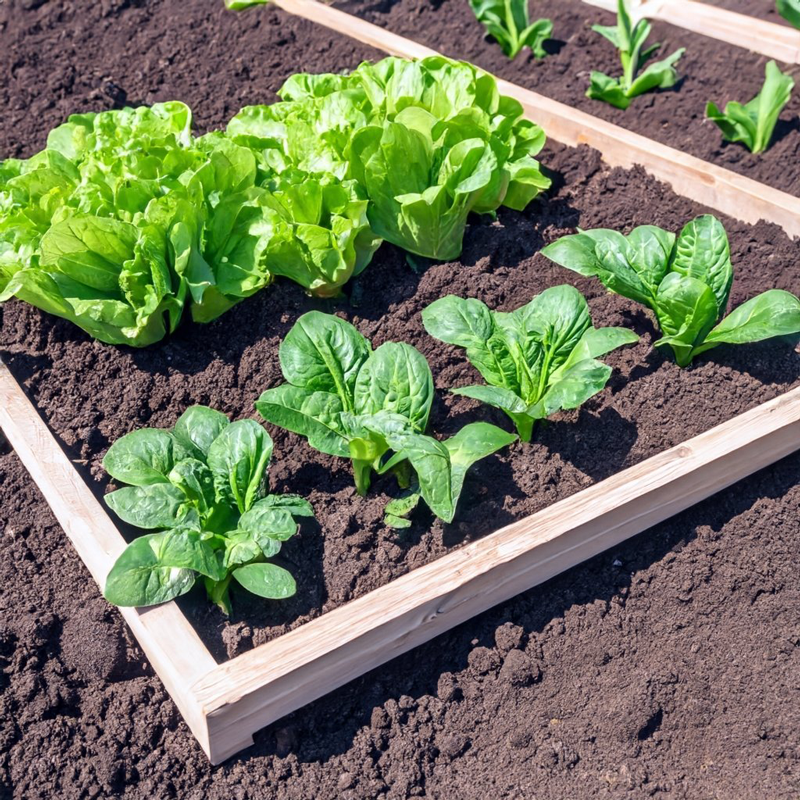
The amount and type of space you have will dictate your garden’s possibilities. Large outdoor areas can accommodate expansive in-ground vegetable gardens, while raised beds are excellent for improving soil quality, drainage, and easing garden maintenance. For those with limited outdoor space, container gardening offers a versatile solution, enabling the cultivation of a variety of vegetables on patios, balconies, or even windowsills.
3. Vegetable Selection Process
Choosing what to plant is an exhilarating part of garden planning:
- Personal Preferences: Grow the vegetables you and your family love to eat.
- Space Efficiency: Consider each vegetable’s space needs. Vining plants like cucumbers require room to sprawl, whereas herbs and leafy greens are more compact.
- Adaptability to Climate: Select vegetables that are compatible with your climate. Some vegetables prefer cooler weather (e.g., carrots, lettuce), while others flourish in the heat (e.g., tomatoes, zucchini).
- Harvest Schedules: Incorporate a mix of vegetables that mature at varying times to ensure a continuous harvest throughout the season.
Essential Vegetables for Your Garden
- Leafy Greens: Varieties such as chard, arugula, and romaine lettuce are manageable to grow and thrive in cooler climates.
- Root Vegetables: Potatoes, carrots, and onions are straightforward to cultivate and require minimal space.
- Culinary Herbs: Thyme, cilantro, and basil are not only easy for novices but can also prosper in small spaces or pots.
- Fruit-bearing Plants: Eggplants and strawberries need more sun but offer rewarding yields.
- Vertical Growers: Trellising options for peas and tomatoes can save space and boost production.
4. Key Strategies for a Flourishing Garden
- Crop Rotation: Change the location of your vegetable crops annually to prevent soil exhaustion and control pests.
- Companion Planting: Growing certain plants together can foster growth, deter pests, and improve flavor.
- Succession Planting: Sequentially planting seeds at intervals ensures a consistent harvest throughout your growing season.
5. Start Small and Grow
For those new to gardening, it’s advisable to begin with a manageable plot. A small, well-maintained garden can still yield an impressive amount of produce. As you gain more gardening experience, you can gradually expand your garden.
Conclusion
Planning your vegetable garden is a rewarding endeavor that culminates in the joy of harvesting your own vegetables. Bru-Mar Gardens is eager to support you from the initial planning stages to the moment you enjoy the fruits of your labor. Remember, the true essence of gardening lies not just in the harvest but in the pleasure and learning it brings along the way. Here’s to a successful and fulfilling gardening season!