
Mar
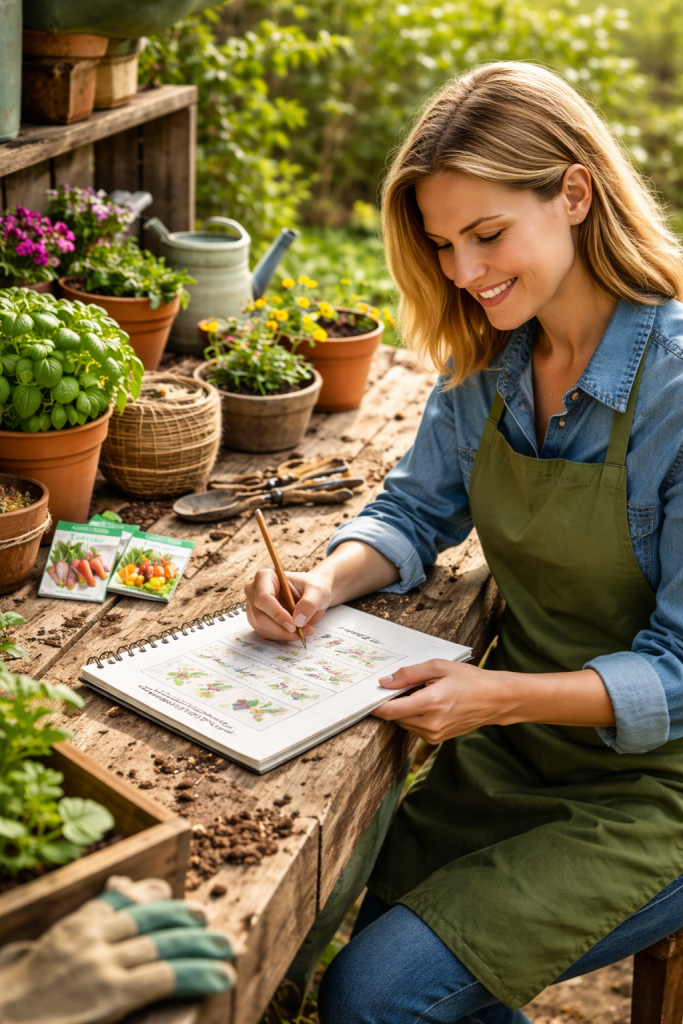
A successful edible garden starts with a clear plan. In Annapolis and surrounding areas, late winter and early spring are ideal times to map out beds, organize crop rotation, and prepare soil before planting begins. A thoughtful layout now will lead to stronger harvests throughout the 2026 growing season.
Below is a step-by-step guide to move your edible garden from paper to planting.
Step 1: Map Your Garden Beds
Start with a simple hand-drawn sketch of your garden space. Outline each bed and label dimensions. For example, four raised beds measuring 4′ x 8′ each are manageable for most home gardeners.
When sketching your layout:
-
Mark areas that receive at least 6–8 hours of full sun.
-
Place taller crops (like tomatoes or trellised cucumbers) on the north side to prevent shading.
-
Leave walking paths 18–24 inches wide.
-
Note water access and hose placement.
-
Identify where you may add vertical supports or cages.
Example layout concept:
-
Bed 1: Spring greens → Summer peppers → Fall spinach
-
Bed 2: Tomatoes with basil companions → Fall cover crop
-
Bed 3: Bush beans → Carrots → Overwintered garlic
-
Bed 4: Trellised cucumbers with nasturtiums
This type of written plan keeps your season organized and efficient.
Step 2: Plan Crop Rotation
Crop rotation reduces disease buildup and nutrient depletion. Group vegetables by plant family and rotate them to a new bed each year.
Common garden families:
-
Nightshades: Tomatoes, peppers, eggplant
-
Legumes: Beans, peas
-
Brassicas: Broccoli, cabbage, kale
-
Roots & Alliums: Carrots, onions, garlic
Avoid planting members of the same family in the same bed two years in a row. A simple four-bed rotation makes this easy to track.
Step 3: Schedule Succession Planting
Succession planting keeps your harvest steady instead of overwhelming you all at once.
For Zone 7b gardeners in Annapolis:
-
Sow lettuce every 2–3 weeks in spring and again in late summer.
-
Plant bush beans every 3 weeks from May through July.
-
Seed radishes every 2 weeks in cool weather.
-
Replace finished spring crops (like spinach) with heat-loving plants (like peppers or beans).
Write projected planting dates directly on your garden sketch or calendar.
Step 4: Use Companion Planting
Strategic plant pairings can improve growth and reduce pest pressure.
Effective combinations include:
-
Tomatoes and basil
-
Carrots and onions
-
Cucumbers and nasturtiums
-
Beans and corn
Avoid planting beans near onions or garlic, as they may inhibit growth.
Soil Prep Checklist
Before planting, ensure your soil is ready:
-
Remove last season’s plant debris
-
Test soil pH (aim for 6.0–6.8 for most vegetables)
-
Add compost or organic soil conditioner
-
Incorporate an organic fertilizer such as Espoma Garden-tone
-
Loosen soil 8–12 inches deep
-
Confirm irrigation access
-
Mulch after planting to conserve moisture
Healthy soil is the foundation of a productive edible garden.
Recommended Beginner Crops for 2026
If you’re expanding your garden or just getting started, these crops perform reliably in Maryland:
-
Leaf lettuce
-
Bush beans
-
Cherry tomatoes
-
Zucchini
-
Cucumbers
-
Kale
-
Basil
-
Radishes
These varieties are productive, forgiving, and well-suited to our local climate.
Thoughtful planning now leads to fewer problems and bigger harvests later. Whether you’re designing raised beds or refreshing an existing space, our team at Bru-Mar Gardens can help you select Botanical Interests seeds, organic soil amendments, native pollinator companions, and trusted products for long-term success.
Visit our garden center in Annapolis to get started on your 2026 edible garden plan.
FAQ
When should I start planning my edible garden in Maryland?
Late winter is ideal. Many crops are started indoors 6–8 weeks before the last frost.
How many beds do I need for rotation?
Four beds make rotation simple, but even two beds can work with proper tracking.
Are raised beds necessary?
No, but they improve drainage and soil control, especially in compacted soils.
What’s the easiest vegetable for beginners?
Leaf lettuce and bush beans are among the most reliable options.
How can I improve heavy clay soil in Annapolis?
Add compost annually and use organic fertilizers to build soil structure over time.