
blog
Hydrangea Care 101: Everything You Need to Know Before Planting
Mar
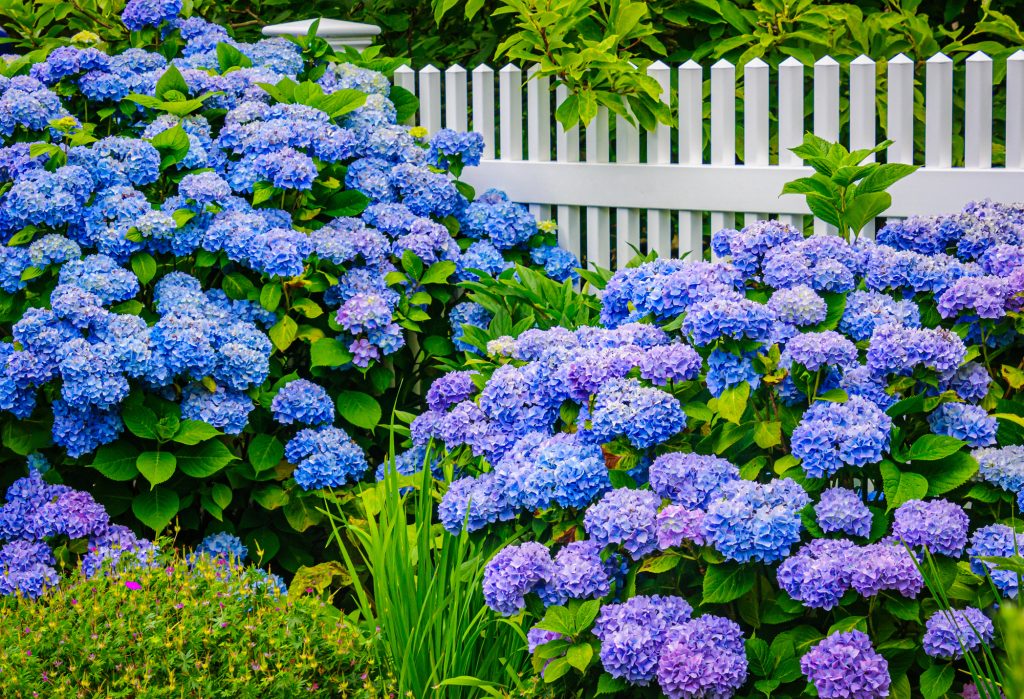
Hydrangeas are a staple in Maryland landscapes—and for good reason. With their lush blooms, vibrant colors, and long flowering season, they bring reliable beauty to any garden. Before planting, though, it’s important to understand what hydrangeas need to truly thrive.
Start with the Right Location
Hydrangeas prefer morning sun and afternoon shade, especially in our Zone 7b climate. Too much direct afternoon sun can stress the plant and fade blooms, while too much shade can reduce flowering. Aim for a balanced spot with good air circulation to help prevent disease.
Soil Matters More Than You Think
Healthy hydrangeas start with the soil. They thrive in well-draining, nutrient-rich soil with plenty of organic matter. If your soil is heavy clay (common in the Annapolis area), consider amending it with compost or planting in raised beds.
One unique feature of certain hydrangeas—like bigleaf varieties—is that soil pH can influence bloom color:
- Acidic soil = blue flowers
- Alkaline soil = pink flowers
Using soil amendments can help you fine-tune your color preferences over time.
Watering for Success
Hydrangeas are thirsty plants, especially during their first growing season. Plan to:
- Water deeply 2–3 times per week after planting
- Keep soil consistently moist, but not soggy
- Add mulch around the base to retain moisture and regulate temperature
Once established, hydrangeas are more forgiving, but they still benefit from regular watering during dry spells.
Pruning Basics (Know Your Type)
One of the most common mistakes with hydrangeas is improper pruning. The key is knowing whether your plant blooms on old wood, new wood, or both:
- Old wood (e.g., bigleaf, oakleaf): Prune right after flowering
- New wood (e.g., panicle, smooth): Prune in late winter or early spring
- Reblooming types: Light pruning is best
If you’re unsure, it’s safer to prune minimally until you identify your variety.
When and How to Plant
Spring and fall are the best times to plant hydrangeas. When planting:
- Dig a hole twice as wide as the root ball
- Keep the crown level with the soil surface
- Water thoroughly after planting
Spacing is also important—give plants room to mature and fill out naturally.
Why Hydrangeas Are Worth It
With the right care, hydrangeas reward you with months of color and structure in the garden. Whether used as foundation plants, in borders, or as focal points, they’re one of the most versatile shrubs you can grow.
Visit our garden center to explore our selection of hydrangeas and get personalized advice on choosing the right variety for your space.
FAQ: Hydrangea Care
When is the best time to plant hydrangeas in Maryland?
Spring and early fall are ideal, allowing roots to establish before extreme heat or cold.
Why aren’t my hydrangeas blooming?
Common reasons include pruning at the wrong time, too much shade, or winter damage to buds.
How often should I water hydrangeas?
New plants need consistent moisture (2–3 times per week). Established plants still need watering during dry periods.
Can I change the color of my hydrangeas?
Yes, for certain types. Adjusting soil pH can shift blooms between blue and pink.
Do hydrangeas need fertilizer?
A balanced, slow-release fertilizer in spring is usually sufficient. Avoid over-fertilizing, which can reduce blooms.