
blog
Build a Cold Frame: Grow Through the Winter
Oct
For those looking to extend their growing season, constructing a cold frame is a fantastic way to harvest fresh greens and root vegetables during the winter months. At Bru-Mar Gardens, we challenge you to take your gardening skills to the next level by growing through the colder season. With a cold frame, you can cultivate hardy crops, even in chilly conditions. Here’s your step-by-step guide to building and using a cold frame.
What is a Cold Frame?
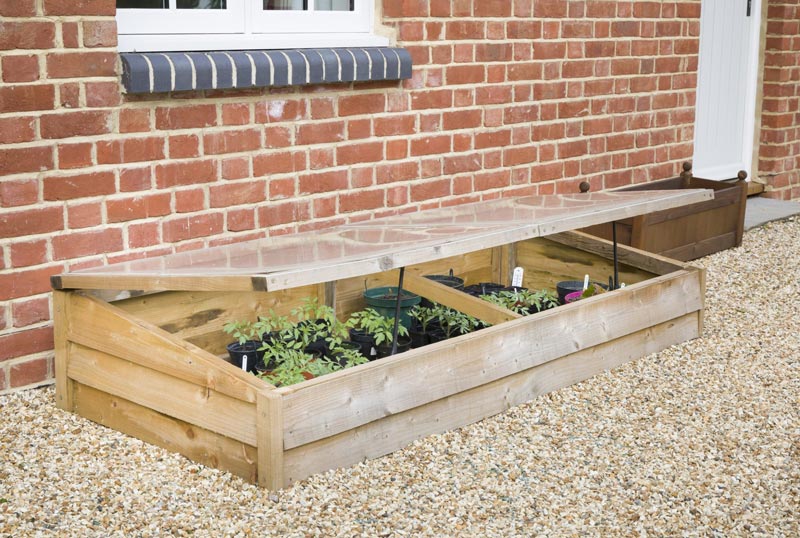
A cold frame is essentially a small, unheated greenhouse. Made from a wooden or brick base with a transparent top, it traps solar energy, creating a warmer environment inside. Cold frames are perfect for protecting cool-weather crops, allowing you to grow into late fall and even winter.
Materials You’ll Need:
- Wooden planks or bricks for the frame (cedar is a popular, durable option)
- A clear cover (old windows, plexiglass, or clear plastic)
- Hinges for the top to allow ventilation
- Soil and compost for planting
- Basic tools like a saw, hammer, and measuring tape
How to Build Your Cold Frame:
- Choose Your Location
Place your cold frame in a sunny spot with good southern exposure. Level ground is key for proper drainage and insulation. - Construct the Frame
Decide on the size of your cold frame. A popular size is around 3 feet by 6 feet. Build the sides and back wall using sturdy materials like wood or bricks. Be sure to make the back wall higher than the front to allow the top to slant downward, helping water and snow slide off easily. - Attach the Clear Cover
The top should be transparent to let in sunlight while protecting your crops from frost. Attach it to the frame using hinges so you can open and close it easily for ventilation. - Prepare the Soil
Ensure your cold frame has rich, well-draining soil. Mix in compost to boost nutrients and keep the soil loose. Adding a layer of mulch or straw around plants can offer additional insulation. - Plant Cold-Hardy Crops
Choose crops that thrive in cooler temperatures, such as:- Leafy greens like spinach, kale, and arugula
- Root vegetables like carrots and radishes
- Hardy herbs like parsley and thyme
Tips for Caring for Your Cold Frame Crops:
- Ventilation Matters: Cold frames can trap too much heat on sunny days. Open the top slightly to avoid overheating your plants.
- Monitor the Temperature: Keep an eye on the internal temperature with a simple thermometer, aiming to maintain between 40°F and 65°F. Insulate the frame at night by covering it with blankets or adding straw bales around the outside.
- Water Wisely: Winter crops don’t need as much water as summer plants. Water sparingly, ensuring the soil remains moist but not soggy.
Why Build a Cold Frame?
- Extend Your Harvest: A cold frame allows you to enjoy fresh vegetables well beyond the typical growing season.
- Improved Flavor: Many cold-hardy crops, like spinach and carrots, taste even sweeter after exposure to light frost.
- Year-Round Gardening: Grow more sustainably by reducing your reliance on store-bought produce during the winter.
Embrace the Challenge of Winter Gardening
Building a cold frame is a rewarding project that allows you to grow throughout the winter. At Bru-Mar Gardens, we have everything you need to get started, from high-quality lumber and compost to cold-weather seeds. If you’re ready to take on the colder months and keep your garden going, we’re here to help!
Stop by Bru-Mar Gardens today for expert advice and all the supplies you need to build your own cold frame. Together, we can help you grow fresh, homegrown produce through every season!