
blog
Benefits of Planting Spring Bulbs in September
Sep
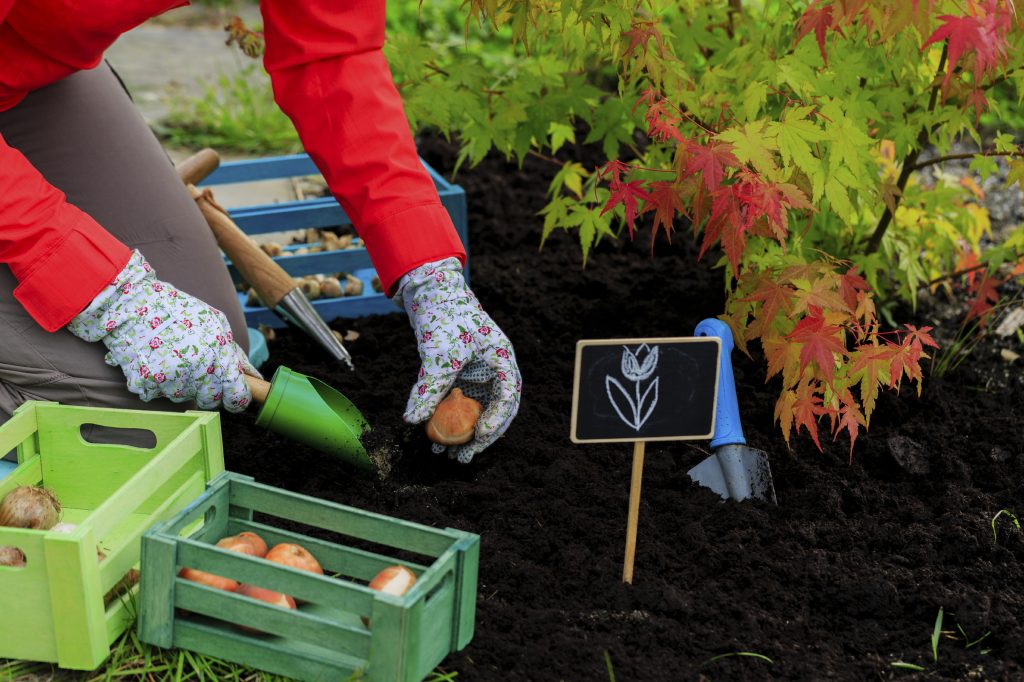
With the arrival of September, it’s the perfect time to think ahead and prepare your garden for a vibrant spring. Planting bulbs now allows them to establish strong roots before winter sets in, ensuring a stunning display of flowers when the weather warms. Here’s how to get the most out of your spring bulbs and enjoy a continuous succession of color throughout the season.
Why Plant Bulbs in September?
Early fall provides optimal planting conditions for bulbs. The warm soil encourages root growth, giving bulbs a strong foundation to survive the winter and bloom when spring arrives. By planting in September, you’re setting your garden up for success with a burst of beautiful blooms when other plants are just waking up.
Planning for Bloom Succession
To make the most of your spring garden, consider planting a variety of bulbs with staggered bloom times. This ensures a steady flow of color from the first thaw to late spring. Here’s a guide to planning for continuous spring blooms:
- Early Spring: Start the season with early bloomers like crocuses and snowdrops. These hardy flowers will push through the last bits of snow, signaling the arrival of spring.
- Mid-Spring: In March and April, you can expect daffodils and hyacinths to add bold colors and fragrance to your garden.
- Late Spring: Finish the season with tulips, alliums, and late-blooming daffodils to maintain vibrant color through May.
By selecting bulbs with different blooming schedules, you’ll enjoy a garden that transitions from one bloom to the next, keeping your landscape colorful for weeks.
Planting Techniques for Success
- Location: Choose a sunny or partially shaded spot with well-drained soil. Bulbs thrive in areas that aren’t prone to standing water.
- Depth: Plant bulbs at a depth three times their height. For example, a 2-inch bulb should be planted 6 inches deep.
- Spacing: Be sure to space bulbs 3-6 inches apart, depending on their size, to give them room to grow and bloom without competition.
- Watering: After planting, give the bulbs a good watering to help them settle into the soil and encourage root growth. Fall rains will usually provide enough additional moisture.
Winter Care for Bulbs
Once your bulbs are planted, they require little care throughout the winter months. A thin layer of mulch can help regulate soil temperature and retain moisture, protecting the bulbs during colder weather. In early spring, remove the mulch as the shoots begin to emerge, allowing the bulbs to fully bloom.
Adding Bulbs to Planters
Spring bulbs aren’t limited to garden beds—they can also brighten up containers that are left outdoors over winter. Use frost-resistant containers with good drainage, and layer bulbs for a more varied and longer-lasting display. Plant larger bulbs, like tulips, deeper in the container, and smaller ones, like crocuses, closer to the surface. Keep the containers in a sheltered spot, and come spring, you’ll have colorful blooms right on your patio or doorstep.
Final Thoughts
Planting spring bulbs in September is a simple yet effective way to ensure your garden is brimming with life and color when spring arrives. With careful planning for bloom succession and proper care, you’ll enjoy flowers from the first crocus to the last tulip, making your garden a springtime paradise.
Visit Bru-Mar Gardens to explore our selection of quality spring bulbs and get everything you need to start planning your beautiful spring garden today!