
blog
Easy Ways to Make Your Garden More Bee, Butterfly, and Hummingbird Friendly
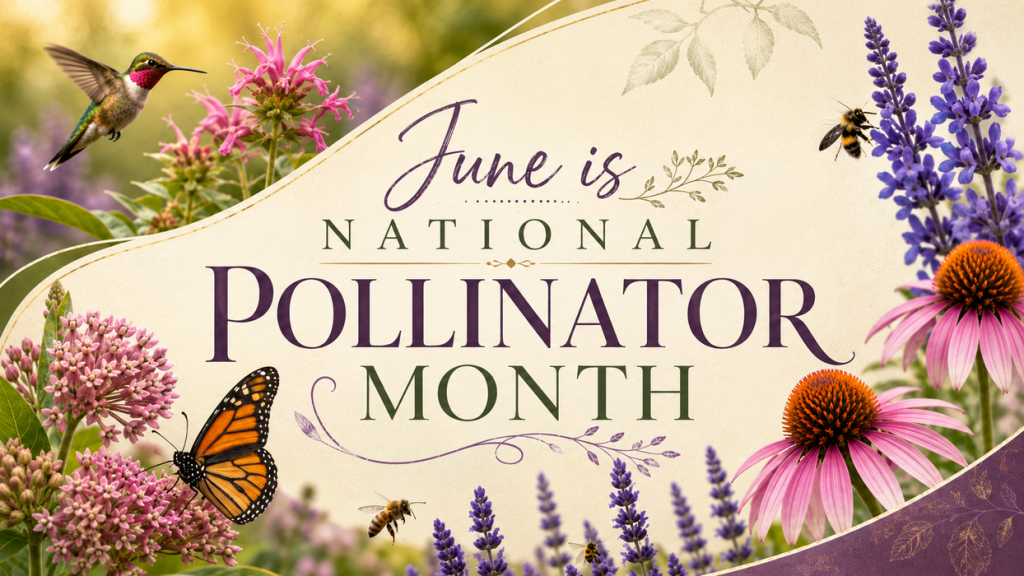
Jun
June Is National Pollinator Month: Easy Ways to Make Your Garden More Bee, Butterfly, and Hummingbird Friendly
June is National Pollinator Month, which makes it the perfect time to look at your garden through the eyes of bees, butterflies, hummingbirds, and other beneficial visitors. Pollinators help flowers, fruits, vegetables, and native plants thrive, and even a few thoughtful changes can make your Annapolis-area garden more welcoming all season long.
One of the best ways to support pollinators is to plant a mix of native plants, nectar-rich annuals, and long-blooming perennials. Native plants are especially valuable because local pollinators have adapted to them over time. Consider adding favorites like coneflower, black-eyed Susan, bee balm, milkweed, mountain mint, and native asters. These plants offer pollen, nectar, and habitat while fitting beautifully into Maryland gardens.
Annuals can also play an important role, especially when you want fast color and continuous blooms. Zinnias, lantana, salvia, verbena, cosmos, pentas, and cuphea are all excellent choices for attracting butterflies and hummingbirds. Plant them in containers, raised beds, or sunny borders where pollinators can easily find them. For the best results, group plants in clusters rather than scattering one plant here and there. Larger patches of color are easier for pollinators to spot.
Perennials help create a dependable pollinator garden that returns year after year. Look for plants with different bloom times so something is always flowering from spring through fall. Early bloomers support pollinators as they emerge, summer flowers keep the garden buzzing, and late-season blooms help butterflies and bees prepare for cooler weather.
Water is another simple but often overlooked way to make your garden pollinator friendly. Bees and butterflies need shallow water sources, especially during hot June days. A plant saucer with pebbles and a little water works well, giving insects a safe place to land while they drink. Refresh the water regularly to keep it clean and prevent mosquitoes.
It is also important to avoid unnecessary pesticide use. Many products can harm beneficial insects, even when they are not the intended target. Before treating a problem, identify the pest and consider whether action is truly needed. Sometimes hand-picking, pruning, improving plant health, or using targeted organic solutions is enough. When treatment is necessary, apply carefully, follow the label, and avoid spraying open blooms where pollinators are actively feeding.
A pollinator garden does not need to be large or complicated. A patio container filled with salvia and lantana, a sunny bed planted with native perennials, or a few herbs allowed to flower can all make a difference. The goal is to provide food, water, shelter, and a safer place for pollinators to visit.
This June, celebrate National Pollinator Month by adding a few bee, butterfly, and hummingbird favorites to your garden. Visit our garden center for native plants, colorful annuals, pollinator-friendly perennials, seeds, organic garden products, and local advice for creating a healthier, more beautiful garden.
FAQ
What plants attract the most pollinators?
Native plants, nectar-rich annuals, and long-blooming perennials are all excellent choices. Coneflower, bee balm, milkweed, salvia, zinnias, lantana, and verbena are great options.
Can I create a pollinator garden in containers?
Yes. Containers filled with annuals like salvia, cuphea, lantana, and pentas can attract bees, butterflies, and hummingbirds on patios, porches, and balconies.
Should I avoid all pesticides in a pollinator garden?
Avoid unnecessary pesticide use whenever possible. When treatment is needed, choose targeted options, follow the label, and avoid spraying flowers while pollinators are active.
When is the best time to plant for pollinators?
June is a great time to plant warm-season annuals, perennials, and native plants that will provide nectar through summer and into fall.