
blog
The Magic of Winter Pruning: Why and How to Prune During Dormant Months
Nov
As the chill of winter settles in and your garden rests, it might seem like there’s not much left to do. However, this quiet time of year is actually perfect for one important task: winter pruning. Pruning during the dormant season might sound daunting, but it’s a great way to give your trees, shrubs, and roses a healthy head start for spring. Let’s break down why winter pruning is beneficial and how to get started.
Why Prune in Winter?
Winter pruning offers several key benefits that help your garden thrive:
- Promotes Plant Health: Pruning during the dormant months helps you remove any dead, damaged, or diseased branches. This tidy-up allows your plants to put all their energy into healthy new growth when spring arrives.
- Improves Shape and Structure: Without all the leaves in the way, it’s much easier to see the natural form of your plants. Winter pruning gives you a clear view of what needs to be trimmed or shaped, allowing you to correct any crossed or awkward branches that might cause trouble later.
- Encourages Strong Growth: Pruning stimulates growth points, which means your plants will send out fresh, vigorous shoots once the weather warms up. This leads to fuller, healthier plants and more abundant blooms.
What to Prune in Winter
Not every plant needs winter pruning, so it’s helpful to know which ones will benefit most. Here’s a quick guide:
1. Trees
Deciduous trees like maple, oak, and birch respond well to winter pruning. Look for any branches that are dead, damaged, or rubbing against each other, and trim them back. Removing these branches helps open up the canopy, improving airflow and reducing the risk of disease.
Quick Tip: Avoid pruning spring-flowering trees like magnolia and dogwood now, as they’ve already set their buds. Wait until after they bloom in spring to avoid losing any flowers.
2. Shrubs
Many shrubs, especially those that bloom on new wood (like butterfly bush and spirea), can benefit from a good winter trim. Cutting them back encourages strong new growth and better blooms. However, be cautious with shrubs that flower on old wood, such as lilac and azalea, as winter pruning might remove next year’s blooms.
Quick Tip: If you’re unsure whether your shrub blooms on new or old wood, a little research or asking a garden expert can help you make the right call.
3. Roses
Winter is a great time to prune most types of roses. Start by removing any dead or damaged canes, then trim back the healthy canes to about knee height. Aim for an open shape that allows air to flow through the plant, helping prevent disease.
Quick Tip: Always use clean, sharp pruners when working with roses. A quick dip in rubbing alcohol between cuts can help prevent spreading any disease.
Easy Winter Pruning Tips
Winter pruning can feel intimidating at first, but these simple steps will help you get started with confidence:
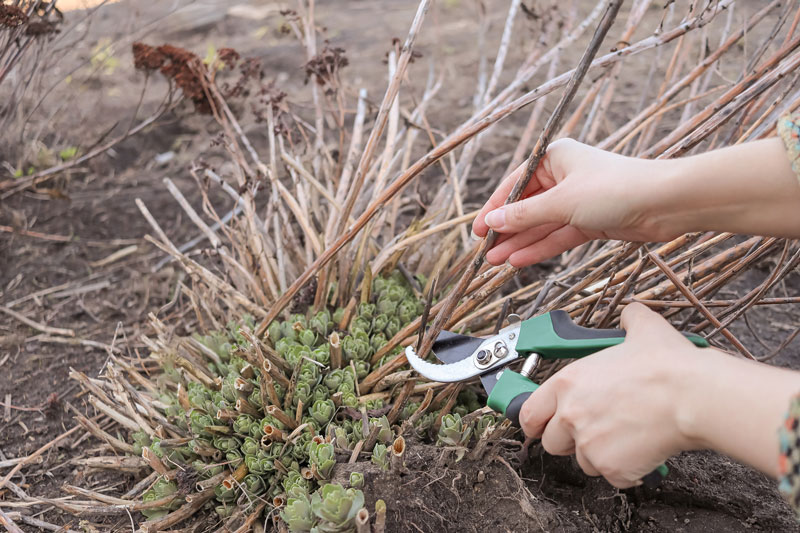
- Use the Right Tools: Sharp tools make all the difference. Invest in a good pair of pruning shears, loppers for thicker branches, and a small saw if needed. Dull tools can tear bark and harm your plants.
- Make Clean Cuts: Aim to make cuts just above a bud or a branching point, and angle the cut slightly away from the bud. This helps direct water away from the cut surface and encourages healthy new growth.
- Take It Slow: You don’t need to prune everything at once. Start small by removing any obvious dead or damaged branches. As you build your confidence, you can move on to shaping and thinning the plant.
- Watch the Weather: It’s best to prune on a dry day when the temperatures are above freezing. This gives your cuts a better chance to heal and reduces the risk of frost damage.
Sustainable Gardening with Winter Pruning
Pruning in winter isn’t just good for your plants—it’s a sustainable practice that aligns with organic gardening principles. By selectively trimming and shaping your trees and shrubs, you’re working with nature to support healthy growth, reduce disease, and create a more balanced garden environment.
Stop by Bru-Mar Gardens for Expert Advice
If you have any questions about winter pruning or aren’t sure where to start, our team at Bru-Mar Gardens is here to help. We love talking plants and can offer tips and guidance tailored to your garden. Whether you’re shaping a favorite tree or giving your roses a fresh start, we’re happy to lend a hand and help you make the most of this winter task.
Winter pruning might seem like extra work, but a little effort now can make a big difference in your garden come spring. Happy pruning, and we can’t wait to see your garden burst into life when the warm weather returns!